The cost depends on the size of the alcove, whether the drain has to move, the pan and waterproofing work, the tile and glass you choose, and what we find behind the walls. That is why every conversion starts with a free written estimate after we see the bathroom: you get the scope and the price in writing before any work begins.
Bathroom remodeling guide
Bathtub to Shower Conversion in Los Angeles: What to Plan Before You Start
A bathtub to shower conversion is a layout decision before it is a building job. The tub comes out and a shower goes in its place, and the parts that decide whether the new shower holds up are the ones you cannot see once the tile is set: the drain position, the sloped pan, and the waterproof membrane behind the tile. Plan those first, and the finishes that follow have a sound base to sit on.
Careful work. Honest options.
Start with how the room is used
Short answer: A bathtub to shower conversion suits a bathroom where showering is the daily routine and the tub sits unused. Plan the drain position, the sloped pan, and the waterproofing first, agree the full scope in writing, and keep the tub if it is the only one in the home and it is still used. Get a free written estimate or read the five checks below.
Keep the tub, or convert it?
The first question is not which shower to buy. It is whether the tub earns the space it takes. A tub that is used, in workable shape, and easy to step in and out of is worth keeping. A tub that sits empty, or one where stepping over the wall has become the hard part of the room, is a candidate for conversion.
A conversion suits a bathroom where showering is the daily routine and the tub is the obstacle: a walk-in shower with a low entry, a handheld showerhead, and controls within reach fits how the room is actually used. It does not suit every home, and it is not the only way to fix a tired bathroom. Surface and fixture updates with no layout change belong to a renovation, and a tub that is chipped or leaking at the drain may only need the tub itself replaced. A walkthrough settles which of those fits the room, the plumbing already there, and the people who use it.
- ✓ Decide on use first, finishes second
- ✓ Check the drain and the floor before choosing a shower
- ✓ Agree the full scope in writing before work starts
- ✓ Test the pan and the joints before the tile goes on
What to plan
Five things to settle before work starts
Every conversion below is scoped in writing before work starts. The items below are what to check at the walkthrough, so the plan fits the bathroom it serves.
✓
1. The drain and the pan
The tub drain rarely sits where a shower drain needs to be. The drain is set to the new shower pan, the pan is sloped to the drain, and the pan is tested with water running before tile goes down. That slope and that test are what keep water out of the floor below.
✓
2. Waterproofing behind the tile
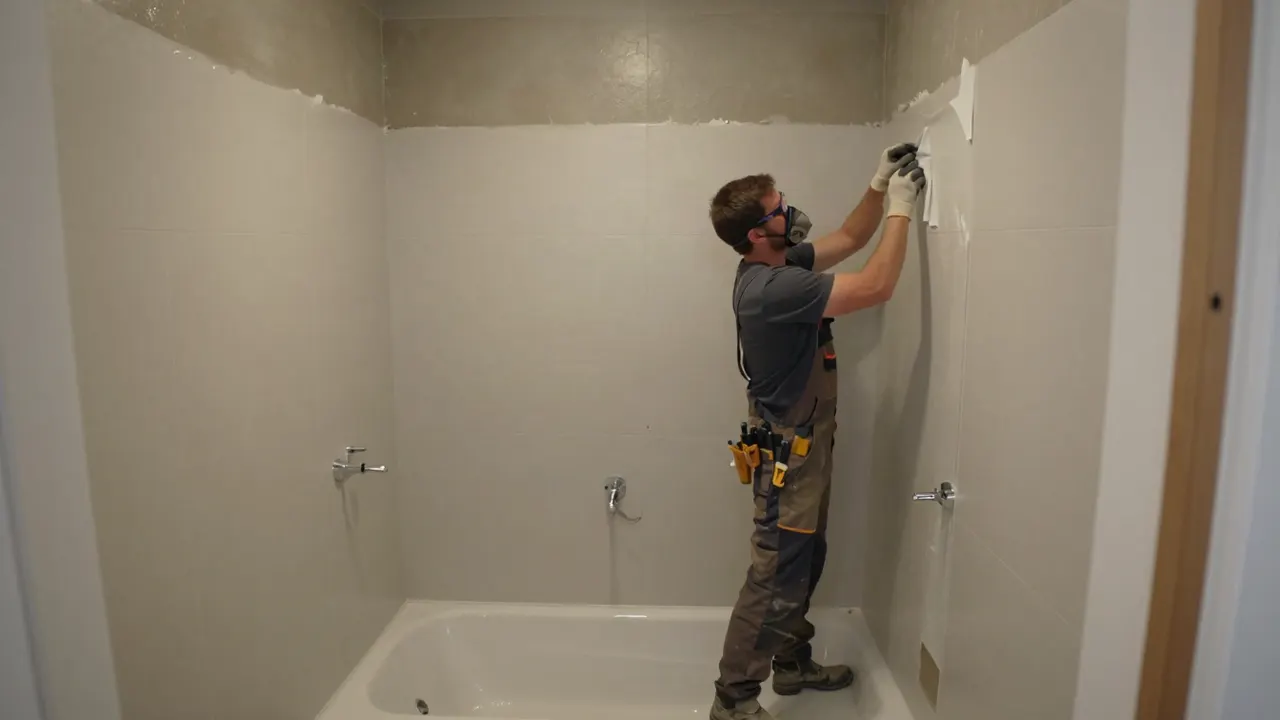
Shower walls are built over backer board and a waterproof membrane, and every joint at a change of plane is finished so water stays on the shower side of the wall. Tile is the last layer, not the waterproofing. Ask what sits behind the tile, not only what the tile looks like.
✓
3. Entry, glass, and controls
Decide the entry before the pan is built: a low curb or a level entry, glass or a curtain, and where the valve, the handheld showerhead, and any seating sit so they can be reached from the entry. Moving any of those after the pan is set means opening work that is already finished.
✓
4. Tile, grout, and the room around the shower
Shower tile is set over the waterproofed base, grout is sealed once cured, and the floor, vanity, and lighting around the new shower are planned as one set, so the converted corner reads as part of the room rather than an addition. The subfloor under the old tub is checked and repaired before the new work goes in.
✓
5. Permits, scope, and the written estimate
Whether a permit is needed depends on the scope of the work and the city your home is in, and that is confirmed before work begins. You approve a written scope before work starts, and a free written estimate follows a visit to see the bathroom, so the cost is explained in detail on the call rather than guessed from a description.
Whether a permit is needed depends on the scope of the work and the city your home is in. Work that moves plumbing, electrical, or structure is the kind that usually needs one, while a like-for-like swap often does not. We confirm what your bathtub to shower conversion job needs before work begins, so there are no surprises.
Keep the tub if it is used, in workable shape, and easy to step in and out of. Convert it if the tub sits empty and the shower is the part of the room you use every day. If the home has only one bathroom, think about who uses the tub before you decide, and ask us to walk through both options on the estimate call.
Settle five things: the drain and the pan, the waterproofing behind the tile, the entry, glass, and controls, the tile and grout, and the written scope. The drain position, the sloped pan, and the waterproof membrane decide whether the new shower holds up, so those are planned first, and the full scope is agreed in writing before work starts.
Ready when you are
Get your bathtub to shower conversion estimate in Los Angeles
Licensed, insured, and ready 24/7, with a written workmanship warranty on every bathroom job. Call now and we will schedule a free written estimate. Free estimates are scheduled Monday through Friday, 8:00 AM to 6:00 PM.
Get Free Estimate +1 619-960-0868 → Related services
Services this guide relates to
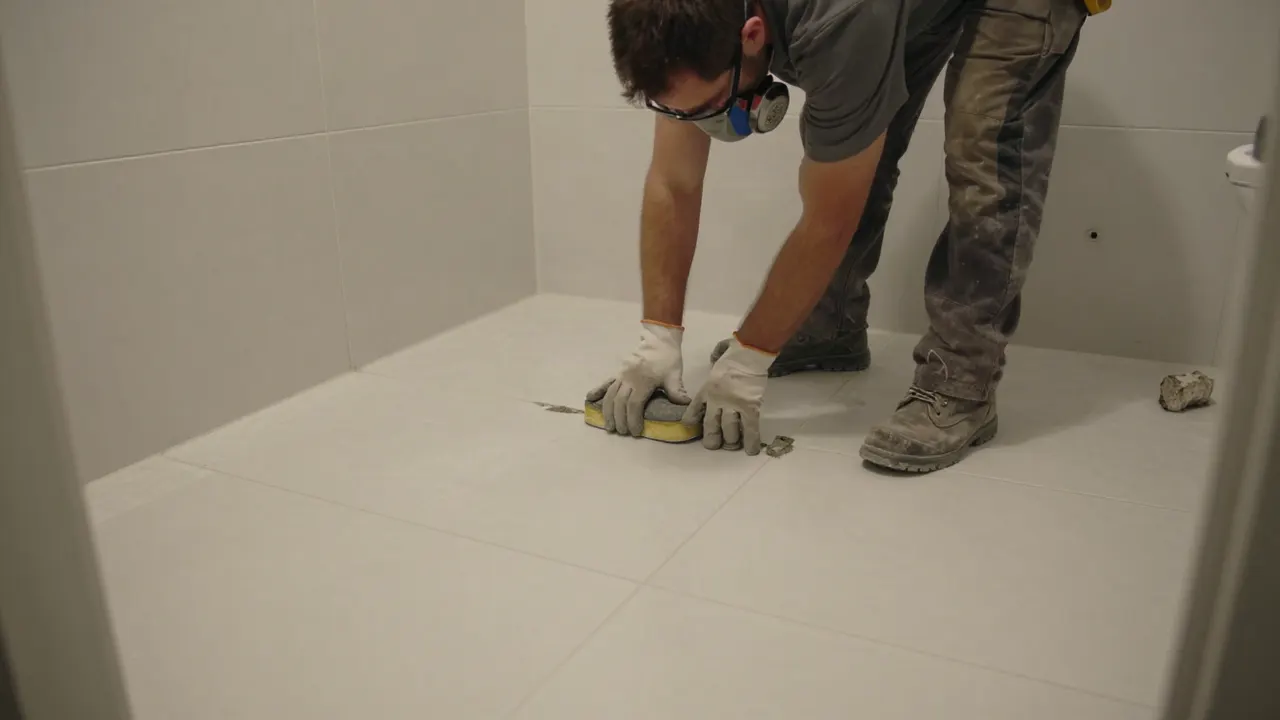 Bathroom Remodeling
Full bathroom remodeling, from demo and rough plumbing to tile, fixtures, and waterproofing.
Explore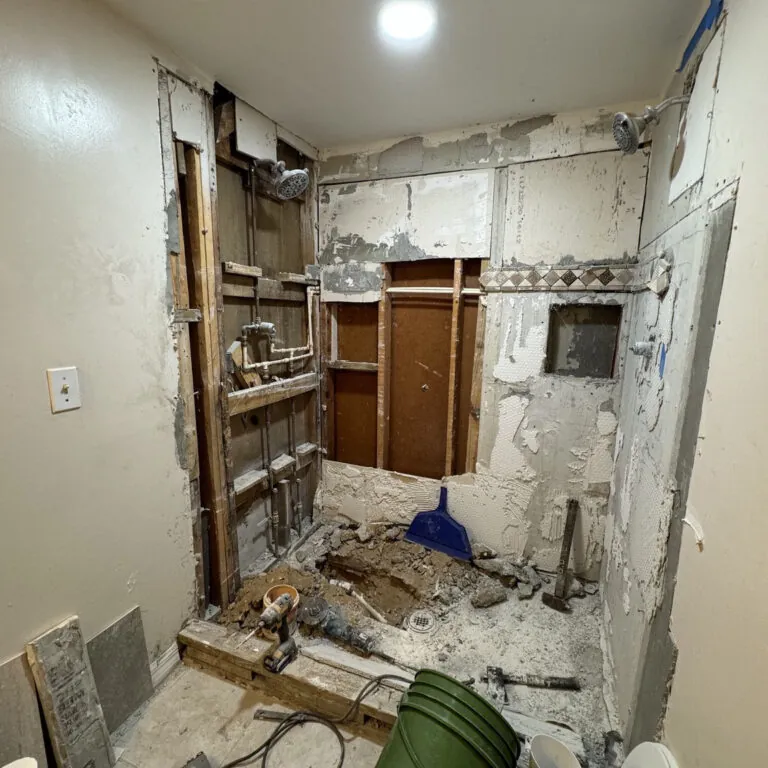 Complete Bathroom Remodeling
A full gut rebuild: new layout, moved plumbing, and new finishes throughout, planned on paper before demolition.
ExploreBathtub to Shower ConversionA tub-to-shower conversion with a low curb or curbless entry, built from a sloped, flood-tested pan.
Explore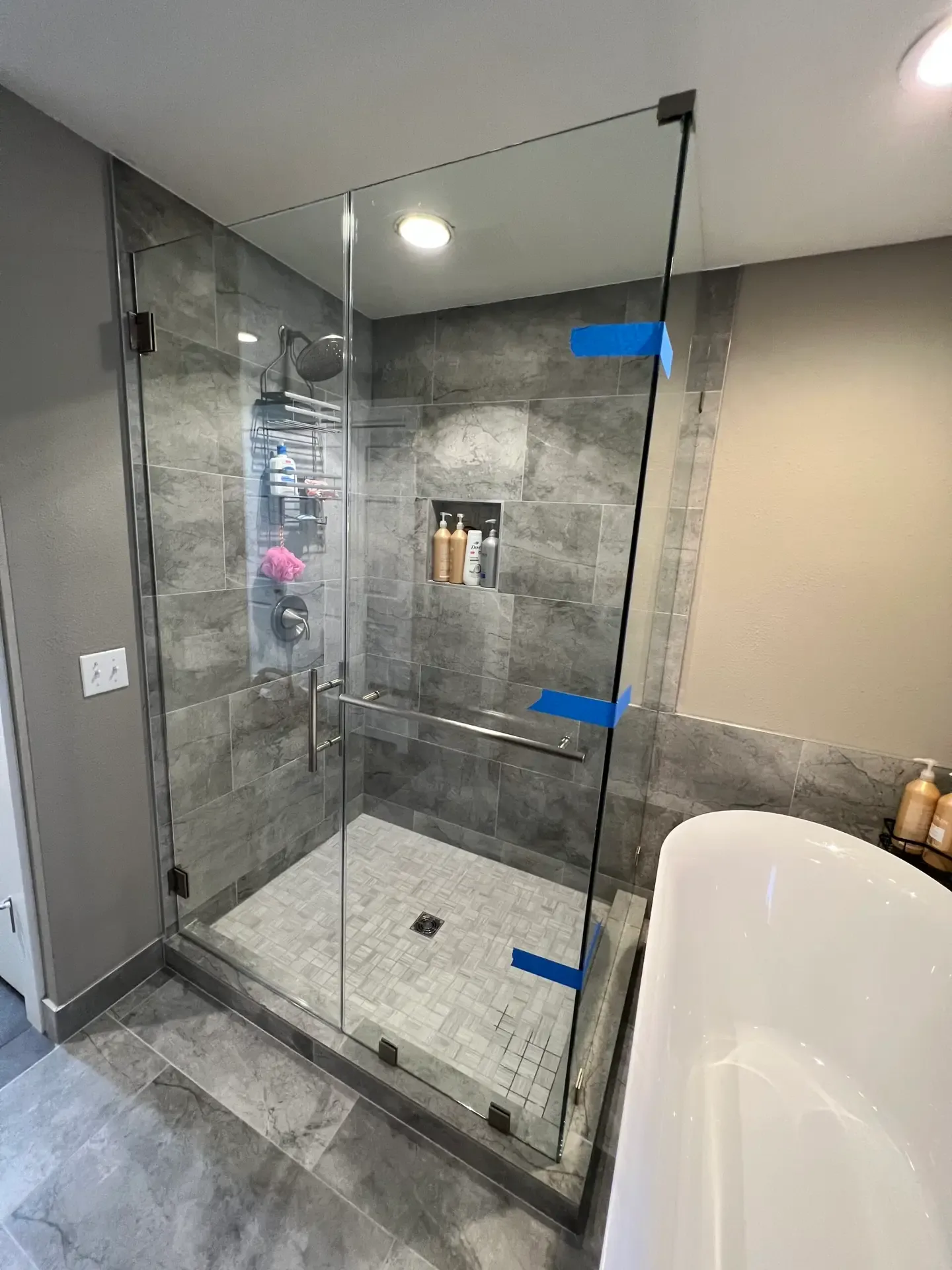 Shower Remodeling
Walk-in showers, shower replacement, and enclosures, rebuilt from a sloped, flood-tested pan.
Explore